
Personalised Homepage vs Generic Homepage: What Drives Better Sales for B2B/E-comm?
If a user comes to the landing page of your website, they will decide in less than five seconds whether your brand understands them or not.
This is one of the major differences we are currently seeing in generic home pages and personalised home pages. Generic homes are simply showing what they show to every other user, but personalised home pages are showing a customised and dynamic webpage to users, which has become one of the hottest topics for B2B brands and modern-day e-commerce.
So which one are you? Today, top app development agencies are helping clients navigate this digital world and create personalisation-first websites, which will win over customers faster than a generic website will.
The Difference Between a Generic Homepage and a Personalised Homepage
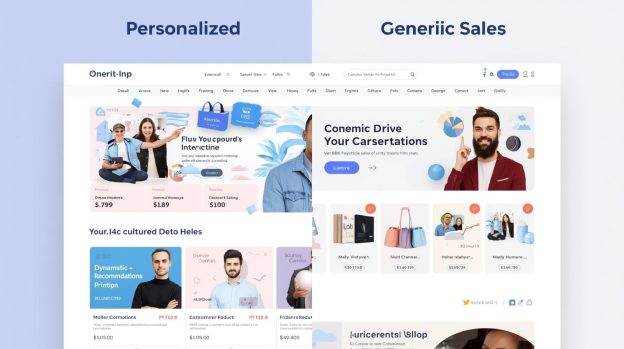
Just as the name sounds, the generic website is built for everyone; the homepage will be perceived in the same way, no matter which user opens it. But when something is built for everyone, it means it’s built for no ‘one’ user in particular. It’s especially true when it comes to generic homepages, which highlight broad messaging, general product categories and the same experience for every visitor. In the early days, this might have worked because customers were happy enough that the business had a website, but today, when every business is digitally upgrading, generic websites feel outdated.
On the other hand, a personalised homepage is the one that adapts to the user’s location, behaviours, interests, past actions and interaction on the website. For example, showing relevant product suggestions based on price preferences, browsing history, and interaction is website personalisation. Personalised websites show even customised CTAs based on the funnel stage.
The top mobile app development companies understand this and design AI-first apps and AI-driven recommendation models to help businesses deliver dynamic experiences to users, which makes them feel understood and valued.
What kind of websites will drive sales in 2026?
The websites showing higher relevance will drive more conversions and more sales in 2026. For example, when a user opens a website to look for a particular product, whether it’s related to fashion, a B2B software or an electronic item, a personalised website shows them exactly what they want, and it reduces the overall time to make the purchase decision.
Bottom Line
A personalised homepage means a reduced bounce rate of users because personalised homepages speak directly to the user’s intent. As a result, the time spent on the site is increased, and the number of users exiting the website is reduced. This is why modern brands lean on top app development companies in Chicago like VerveLogic, with expertise in AI, analytics, and UX ecosystems. So get your consultation now from the best mobile app and website developers ready to take charge and bring personalisation to your digital models!